
 By
By Self Cleaning Streetlight Oil Palm Waste: A Sustainable Innovation for Smart Cities
Urban areas are rapidly expanding, and with this growth comes increased demand for energy, infrastructure, and sustainability. One innovative concept gaining attention is the self cleaning streetlight oil palm waste solution—a smart combination of renewable energy, waste management, and automated maintenance.
This technology uses waste materials from oil palm processing to create eco-friendly streetlights that clean themselves, reduce maintenance costs, and promote green urban development. As cities move toward smarter infrastructure, this solution has the potential to transform how public lighting systems operate.
What Is Self Cleaning Streetlight Oil Palm Waste?
The term self cleaning streetlight oil palm waste refers to an advanced street lighting system that integrates:
- Oil palm waste materials (such as biomass and fibers)
- Self-cleaning mechanisms (automatic dust and debris removal)
- Sustainable energy solutions (solar or biomass-based energy)
Oil palm waste, often considered an environmental burden, is repurposed into useful components like biofuel or structural materials. When combined with self-cleaning technology, it creates a low-maintenance and environmentally friendly lighting system.
How the Technology Works
1. Use of Oil Palm Waste
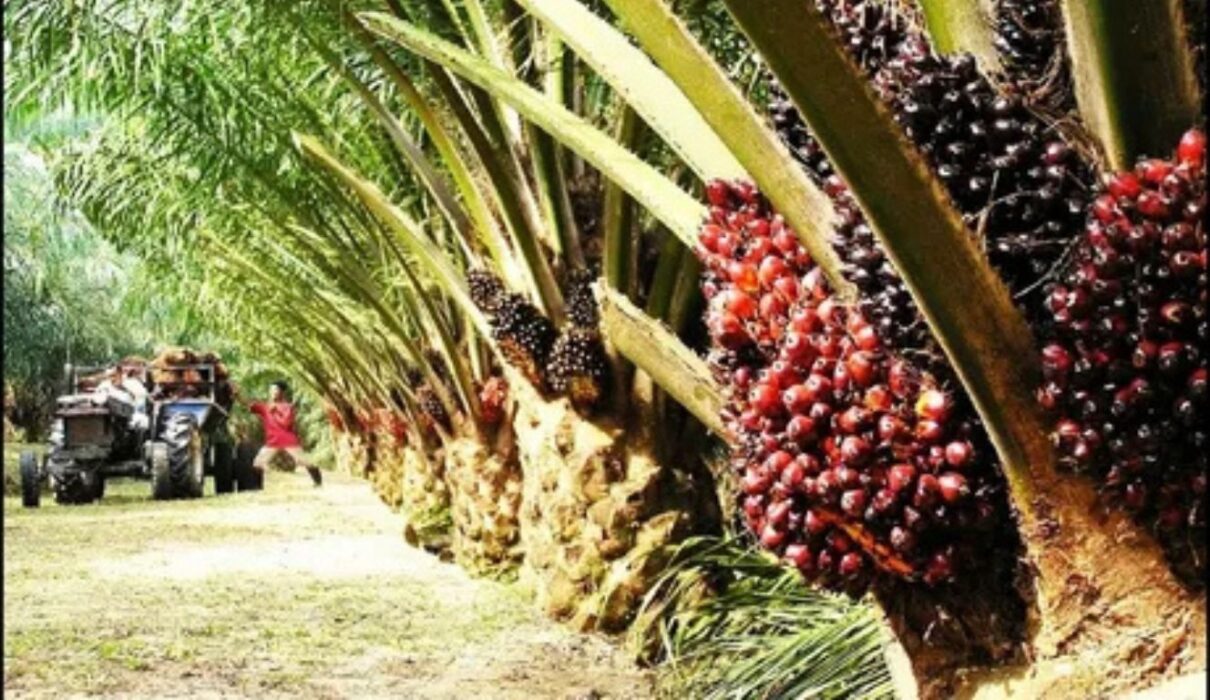
Oil palm industries produce large amounts of waste, including:
- Empty fruit bunches
- Palm kernel shells
- Fibers
These materials can be converted into:
- Biomass energy
- Eco-friendly composites
2. Self-Cleaning Mechanism
Streetlights are equipped with:
- Sensors to detect dirt or dust
- Automated brushes or air systems
- Water-efficient cleaning techniques
This ensures consistent brightness without manual cleaning.
3. Renewable Energy Integration
Many systems also include:
- Solar panels
- Biomass-powered generators
This reduces dependency on traditional electricity sources.
Benefits of Self Cleaning Streetlight Oil Palm Waste
Environmental Benefits
- Reduces agricultural waste pollution
- Lowers carbon emissions
- Promotes circular economy
Economic Benefits
- Decreases maintenance costs
- Reduces labor requirements
- Utilizes low-cost raw materials
Operational Efficiency
- Continuous optimal lighting
- Less downtime
- Smart automation
Why This Innovation Matters for Smart Cities
Smart cities aim to combine technology with sustainability. The self cleaning streetlight oil palm waste concept fits perfectly into this vision by:
- Improving urban infrastructure
- Reducing environmental impact
- Supporting renewable energy goals
Cities in regions with palm oil production can especially benefit, as they already have access to raw materials.
Real-World Applications
Although still emerging, this technology is being explored in:
1. Southeast Asia
Countries like Malaysia and Indonesia are testing oil palm waste-based innovations due to abundant resources.
2. Rural Electrification Projects
Remote areas benefit from:
- Low-cost energy solutions
- Minimal maintenance needs
3. Smart Urban Developments
Modern cities are adopting:
- IoT-enabled streetlights
- Automated cleaning systems
Challenges and Limitations
While promising, the technology faces some challenges:
1. Initial Setup Cost
Advanced systems can be expensive to install initially.
2. Technical Complexity
Requires integration of multiple technologies:
- Sensors
- Automation
- Renewable energy
3. Limited Awareness
Many regions are still unaware of the benefits.
Future Potential
The future of self cleaning streetlight oil palm waste looks bright as innovation continues:
- Integration with AI-based monitoring
- Increased efficiency in biomass energy conversion
- Wider adoption in developing countries
Governments and private sectors are likely to invest more in such eco-friendly solutions.
Best Practices for Implementation
For cities or companies planning to adopt this system:
- Conduct feasibility studies
- Partner with renewable energy experts
- Invest in long-term sustainability
Proper planning ensures maximum benefits.
Conclusion
The self cleaning streetlight oil palm waste innovation represents a powerful step toward sustainable urban development. By turning agricultural waste into valuable resources and combining it with smart technology, this solution addresses multiple global challenges at once.
From reducing pollution to lowering maintenance costs, it offers a practical and forward-thinking approach for modern cities. As awareness grows and technology advances, we can expect to see wider adoption of this eco-friendly lighting system worldwide.
FAQs
1. What is self cleaning streetlight oil palm waste?
It is a smart streetlight system that uses oil palm waste and automated cleaning technology.
2. How does it help the environment?
It reduces waste pollution and lowers carbon emissions.
3. Is this technology cost-effective?
Yes, it reduces long-term maintenance and energy costs.
4. Where is it mostly used?
It is mainly explored in palm oil-producing regions like Southeast Asia.
5. Does it require manual cleaning?
No, it uses automatic self-cleaning mechanisms.
6. Can it run on renewable energy?
Yes, it often integrates solar or biomass energy.
7. What materials are used from oil palm waste?
Fibers, shells, and empty fruit bunches are commonly used.