
 By
By Social Media Saga SilkTest 2026: Real Story, Testing Technology, AI Automation & Future Trends
The Social Media Saga SilkTest has emerged as a viral buzzword across tech blogs, QA forums, and social media platforms. If you searched for this term, you likely encountered articles, videos, or posts suggesting that SilkTest was involved in some mysterious or controversial social media activity.
In reality, the SilkTest Social Media Saga is not an official product launch, feature, or controversy. It is a community-driven narrative—a mix of curiosity, technical misunderstanding, and viral storytelling.
In this in-depth 2026 guide, we will:
- Break down what the SilkTest Social Media Saga actually is
- Separate facts from rumors
- Explain how SilkTest is really used in testing social media platforms
- Explore AI, automation, and testing trends shaping the future
This article is written to help readers, developers, QA professionals, and marketers understand the topic clearly—without hype.
What Is the Social Media Saga SilkTest?
The Social Media Saga SilkTest is not a software feature or service created by SilkTest or OpenText. Instead, it refers to a series of online discussions, posts, and videos where people speculated about SilkTest being used in unusual or unexpected social media contexts.
According to multiple tech blogs, the saga is best understood as:
“A gradual storyline shaped by online speculation, testing discussions, and digital commentary.”
In simpler words, it is:
- An internet-generated narrative
- Fueled by user-generated content
- Amplified by search trends and social media algorithms
Key clarification:
There was no official press release or announcement titled “Social Media Saga SilkTest.”
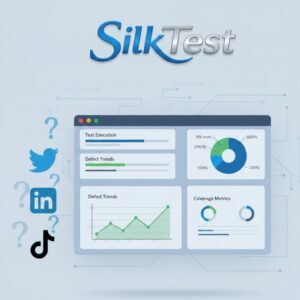
How the Social Media Saga SilkTest Started: Timeline & Origins
The saga began quietly in late 2025.
A single post appeared on a QA forum asking:
“What is the Social Media Saga SilkTest, and what does it do?”
That question went unanswered for hours—and curiosity took over.
Timeline of Key Events
| Date | Event |
|---|---|
| Nov 12, 2025 | A QA forum question sparks interest |
| Mid Nov 2025 | Users speculate SilkTest is used for social app testing |
| Late Nov 2025 | Short clips appear on X and Instagram |
| Dec 2025 | Blogs publish theories and breakdowns |
| Jan 2026 | Topic becomes a digital marketing case study |
Influencers uploaded videos titled “SilkTest’s Secret Social Feature?” and “Is SilkTest Going Social?”—even though there was no confirmation.
The lack of clear answers kept the story alive.
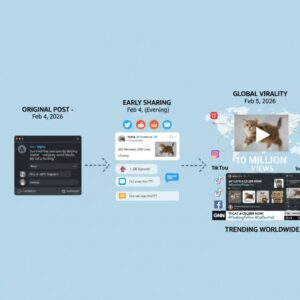
Why the SilkTest Social Media Saga Went Viral Online
The saga spread for several reasons:
- Ambiguous wording in early posts
- Short-form video culture amplifying mystery
- SEO blogs chasing trending keywords
- Genuine confusion about social media testing tools
People enjoy puzzles—and the SilkTest story felt like one.
Each tweet, blog comment, or YouTube reaction added fuel to the narrative, keeping it alive well into 2026.
Fact vs Rumors: The Truth Behind Social Media Saga SilkTest
Let’s clear the confusion.
Myth vs Fact
Myth: SilkTest launched a social media platform
Fact: No such platform exists
Myth: SilkTest has viral content or influencer tools
Fact: SilkTest is strictly a QA automation tool
Myth: A SilkTest data leak revealed hidden features
Fact: No security breach was ever reported
Official documentation confirms that SilkTest focuses solely on functional and regression testing.
The misunderstanding came from one true point:
SilkTest can test social media applications
But testing an app is not the same as being a social media app.
SilkTest Explained: The Real Automation Testing Tool
SilkTest is a long-standing enterprise automation testing solution.
Quick Overview
| Attribute | Details |
|---|---|
| Tool Name | SilkTest |
| First Released | 1993 (as QA Partner) |
| Current Owner | OpenText |
| Testing Type | Functional & Regression |
| Platforms | Web, Desktop, Mobile |
Core Capabilities
- Object-based UI testing
- Cross-browser validation
- Mobile testing (iOS & Android)
- Large regression test suites
SilkTest exists to improve software quality, not social engagement.

How SilkTest Is Used to Test Social Media Platforms
This is where the saga likely started.
Real-World Testing Scenario
Imagine a new social media app preparing to launch:
- User feeds
- Likes and comments
- Notifications
- Video uploads
Using SilkTest, QA teams can:
- Automate login flows
- Validate feed refresh behavior
- Test posting and interaction logic
- Detect performance issues
This testing capability led many users to assume SilkTest itself was doing something social-media-related.
Technical Capabilities of SilkTest for Social Media App Testing
SilkTest supports:
- Object recognition for dynamic UI
- Scripted user flows
- Cross-platform testing
- Large-scale regression automation
It can simulate user actions—but it does not create content, communities, or social networks.
Role of AI, Automation & LLMs in SilkTest Testing (2026)
By 2026, AI plays a major role in QA.
AI-Driven Testing Trends
- Self-healing test scripts
- Visual AI for UI changes
- Predictive failure analysis
- LLM-assisted test creation
Many teams now combine:
- SilkTest for enterprise reliability
- AI tools for adaptability
- LLMs for speed and intelligence

Key Challenges in Social Media Automation Testing
Testing social platforms is complex.
Common Challenges
- Real-time content updates
- Personalized user feeds
- High concurrent traffic
- Cross-device behavior
- Frequent UI changes
These challenges apply to all testing tools, not just SilkTest.
SilkTest vs Other Testing Tools (2026 Comparison)
| Tool | Best Use Case |
|---|---|
| SilkTest | Enterprise & legacy systems |
| Selenium | Open-source web testing |
| Appium | Mobile automation |
| Cypress | Modern web apps |
| Playwright | Dynamic UI testing |
The saga indirectly pushed teams to compare tools more carefully.
Lessons for QA Teams & Brands from the SilkTest Saga
This saga offers broader lessons:
- Viral attention without clarity causes confusion
- Technical products need clear messaging
- Not every trending topic reflects reality
- QA teams should focus on real testing problems
From an SEO perspective, it also shows how search intent can shape narratives.
Future of Social Media Testing After the SilkTest Saga
Looking ahead:
- AI moderation will dominate platforms
- Testing will include ethics and bias validation
- Automation will blend AI + human oversight
SilkTest remains relevant—but as part of a modern testing ecosystem.
Frequently Asked Questions (FAQs)
What is the Social Media Saga SilkTest?
It is an online narrative created through speculation about SilkTest’s role in social media testing—not an official product.
Is SilkTest a social media tool?
No. SilkTest is a software automation testing tool.
Can SilkTest test social media applications?
Yes. It can automate testing for social media platforms like any complex app.
Did SilkTest launch a social network?
No. There has been no such announcement.
Why did the SilkTest saga go viral?
Because of curiosity, vague content, and social media amplification.
Is SilkTest still relevant in 2026?
Yes. It remains widely used in enterprise QA environments.
Conclusion
The SilkTest Social Media Saga was not a scandal or secret feature—it was a lesson in digital perception.
SilkTest remains exactly what it has always been:
A reliable automation testing tool helping teams build better software.