
 By
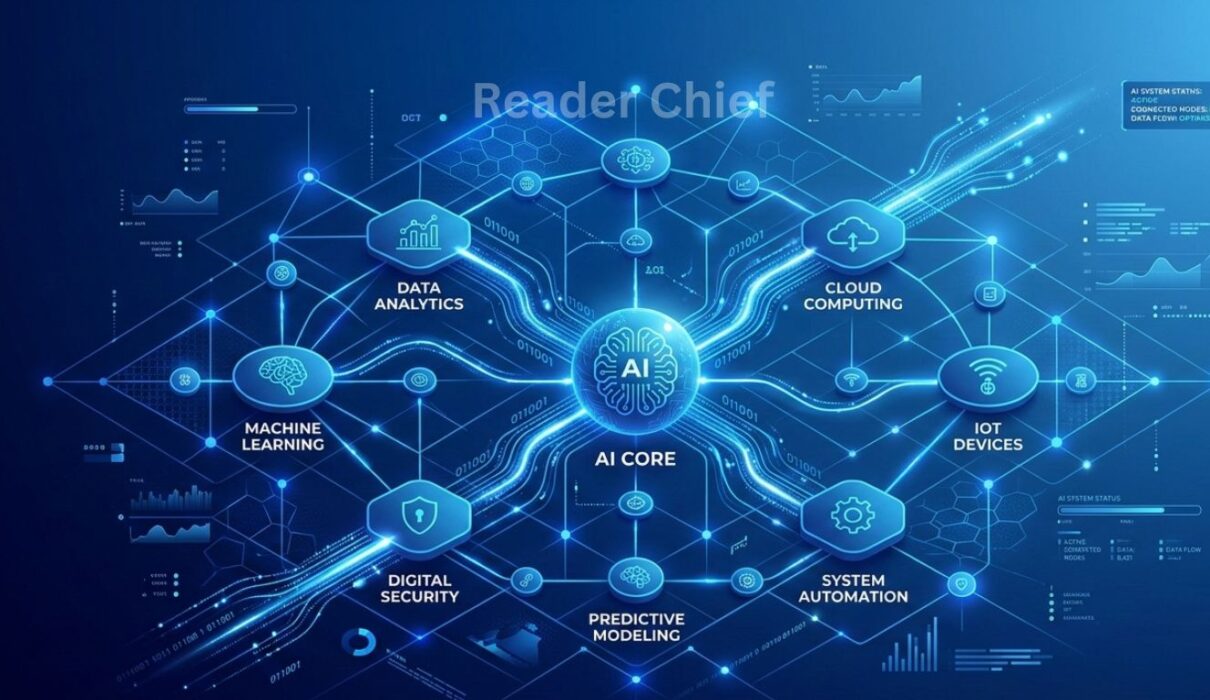
By Dolfier: AI Integration In the Future of Smart Digital Systems
As we move deeper into 2026, digital transformation is no longer optional—it is essential. Businesses across the globe are searching for smarter, faster, and more adaptive systems that can keep up with rapid technological change. This is where Dolfier and AI integration emerge as a powerful concept shaping the future of smart digital systems.
Dolfier can be understood as a flexible digital framework designed to connect tools, manage data efficiently, and support scalable operations. When combined with Artificial Intelligence (AI), it forms an intelligent ecosystem capable of automation, predictive analytics, and real-time decision-making. Together, they represent a new era of smart infrastructure for modern organizations.
Understanding Dolfier
Dolfier is best described as a modular digital ecosystem framework. Unlike traditional rigid systems that require complete restructuring when updates are needed, Dolfier allows organizations to add, remove, or upgrade components without disrupting the entire system.
Its core objectives include:
- Seamless system integration
- Structured data management
- Scalability for growing businesses
- Real-time operational visibility
- Reduced technological complexity
In simple terms, Dolfier acts as the backbone of a smart digital environment. It creates order within complex digital infrastructures, making it easier for advanced technologies like AI to operate effectively.
Role of Artificial Intelligence in Modern Systems
Artificial Intelligence has evolved beyond basic automation. In 2026, AI plays a crucial role in:
- Predictive analytics
- Customer behavior analysis
- Fraud detection
- Intelligent automation
- Process optimization
- Smart recommendations
However, AI requires well-organized and high-quality data to function accurately. Without a structured framework, AI systems can become inefficient or produce unreliable insights. This is why integration with a framework like Dolfier becomes critical.
How Dolfier and AI Work Together
The combination of Dolfier and AI creates a balanced ecosystem where structure meets intelligence. Below are the key ways they integrate:1. Intelligent Data Processing
Dolfier organizes and standardizes data across departments. AI then analyzes this structured data to generate actionable insights. This synergy results in:
- Faster data interpretation
- Improved forecasting accuracy
- Reduced decision-making time
2. Real-Time Automation
Dolfier supports real-time data flow across systems. AI uses this continuous data stream to trigger automated responses.
For example:
- If sales decline suddenly, AI can detect the pattern.
- The system can automatically initiate a promotional campaign.
- Managers receive real-time alerts for strategic action.
This reduces dependency on manual intervention and increases operational agility.
3. Enhanced Cybersecurity
Cyber threats are becoming more sophisticated each year. Dolfier provides secure architecture with encryption and system-level safeguards. AI strengthens security by:
- Detecting abnormal behavior patterns
- Identifying potential threats early
- Automating defensive responses
Together, they create a proactive and intelligent security system rather than a reactive one.
4. Scalable Infrastructure
As businesses grow, their digital requirements expand. Dolfier allows seamless expansion without rebuilding the entire infrastructure. AI adapts alongside the system, continuously learning from new data.
This makes the integration future-proof and sustainable.
Key Benefits of Dolfier and AI Integration
Increased Operational Efficiency
Automation reduces repetitive tasks, allowing teams to focus on strategic initiatives. Processes become streamlined and faster.
Improved Decision-Making
AI-driven analytics provide real-time insights supported by Dolfier’s structured framework. Leaders can make informed decisions with confidence.
Cost Optimization
Smart automation minimizes resource waste, reduces manual errors, and lowers long-term operational costs.
Enhanced Customer Experience
AI personalizes user experiences, while Dolfier ensures consistent and reliable system performance. The result is smoother and more satisfying customer interactions.
Greater Innovation Capacity
With routine processes automated, organizations can allocate more resources to research, innovation, and market expansion.
Industry Applications
Dolfier and AI integration can be applied across multiple industries:
Finance
- Fraud detection systems
- Risk assessment automation
- Smart transaction monitoring
Healthcare
- Secure patient data management
- AI-assisted diagnostics
- Intelligent appointment scheduling
E-Commerce
- Personalized product recommendations
- Inventory demand forecasting
- Customer behavior analytics
Education
- Adaptive learning platforms
- Performance tracking systems
- Smart course management
Logistics
- Route optimization
- Supply chain automation
- Real-time shipment tracking
The flexibility of Dolfier makes it adaptable to various business models, while AI enhances intelligence across operations.
Implementation Strategy
Organizations considering Dolfier and AI integration should follow a phased approach:
Evaluate Existing Infrastructure
Conduct a detailed audit of current systems, tools, and workflows.
Gradual Framework Deployment
Introduce Dolfier in modules to minimize disruption.
AI Integration by Department
Deploy AI solutions where they provide the highest immediate value.
Employee Training
Provide structured training programs to ensure smooth adoption.
Continuous Optimization
Monitor performance metrics and refine processes regularly.
A gradual and strategic rollout ensures minimal risk and maximum efficiency.
Challenges to Consider
While the benefits are significant, businesses should prepare for certain challenges:
- Initial implementation costs
- Data migration complexity
- Workforce adaptation
- Ongoing cybersecurity management
However, these challenges are manageable with proper planning and long-term strategic vision.
The Future of Smart Digital Systems
The future of digital systems lies in intelligence, adaptability, and connectivity. Technologies such as AI, automation, and IoT are becoming foundational components of modern infrastructure.
Dolfier provides the structured environment required for these technologies to function efficiently. As AI continues to evolve, systems built on flexible frameworks like Dolfier will be better positioned to adapt to emerging innovations.
Future smart systems will likely feature:
- Self-learning algorithms
- Autonomous optimization
- Real-time predictive decision-making
- Fully integrated digital ecosystems
Organizations that invest in intelligent integration today will lead tomorrow’s digital economy.
Why Businesses Should Act Now
Early adoption of smart digital frameworks offers competitive advantages. Businesses that integrate Dolfier and AI now can:
- Respond quickly to market changes
- Improve productivity and performance
- Strengthen cybersecurity posture
- Enhance customer loyalty
In an increasingly competitive environment, agility and intelligence are key to survival and growth.
Conclusion
Dolfier and AI integration represent a forward-thinking approach to building smart digital systems. Dolfier provides the structure, flexibility, and scalability required for modern operations, while AI adds intelligence, automation, and predictive capabilities.
Together, they create a powerful ecosystem that enhances efficiency, security, and innovation. As digital transformation accelerates in 2026 and beyond, businesses that embrace this integrated model will be better equipped to thrive in an ever-evolving technological landscape.
Frequently Asked Questions (FAQs)
1. What is Dolfier?
Dolfier is a conceptual modular digital framework designed to integrate systems, manage data efficiently, and support scalable digital ecosystems.
2. How does AI integrate with Dolfier?
AI integrates with Dolfier by analyzing its structured data environment to deliver automation, predictive insights, and real-time decision-making.
3. Is Dolfier suitable for small businesses?
Yes. Because of its modular design, small businesses can implement Dolfier gradually according to their needs and budget.
4. What industries benefit most from Dolfier and AI integration?
Industries such as finance, healthcare, e-commerce, logistics, and education can significantly benefit from this integration.
5. Does it improve cybersecurity?
Yes. When combined with AI, It enhances cybersecurity through encryption, monitoring, anomaly detection, and automated threat responses.
6. What is the future of smart digital systems?
The future lies in intelligent, self-optimizing, and fully connected systems powered by AI and supported by flexible digital frameworks like Dolfie