
 By
By Philadelphia Eagles vs Tampa Bay Buccaneers Player Stats: Game-Changing Performances
The clash between the Philadelphia Eagles and the Tampa Bay Buccaneers is always an exciting matchup filled with high-intensity plays, strategic execution, and standout individual performances. Both teams bring unique strengths to the field, making their encounters a perfect showcase of elite NFL talent.
In this detailed breakdown, we analyze the player stats, highlight game-changing performances, and explore how key athletes influenced the outcome of the game.
Match Overview
Whenever the Eagles and Buccaneers face off, fans expect a competitive game dominated by strong offensive drives and aggressive defensive tactics. The Eagles, known for their dynamic offense and dual-threat quarterback, often rely on versatility. Meanwhile, the Buccaneers focus on structured passing plays and disciplined defense.
This particular matchup delivered exactly that—big plays, crucial turnovers, and impressive individual performances that shaped the game.
Quarterback Performances
Philadelphia Eagles Quarterback
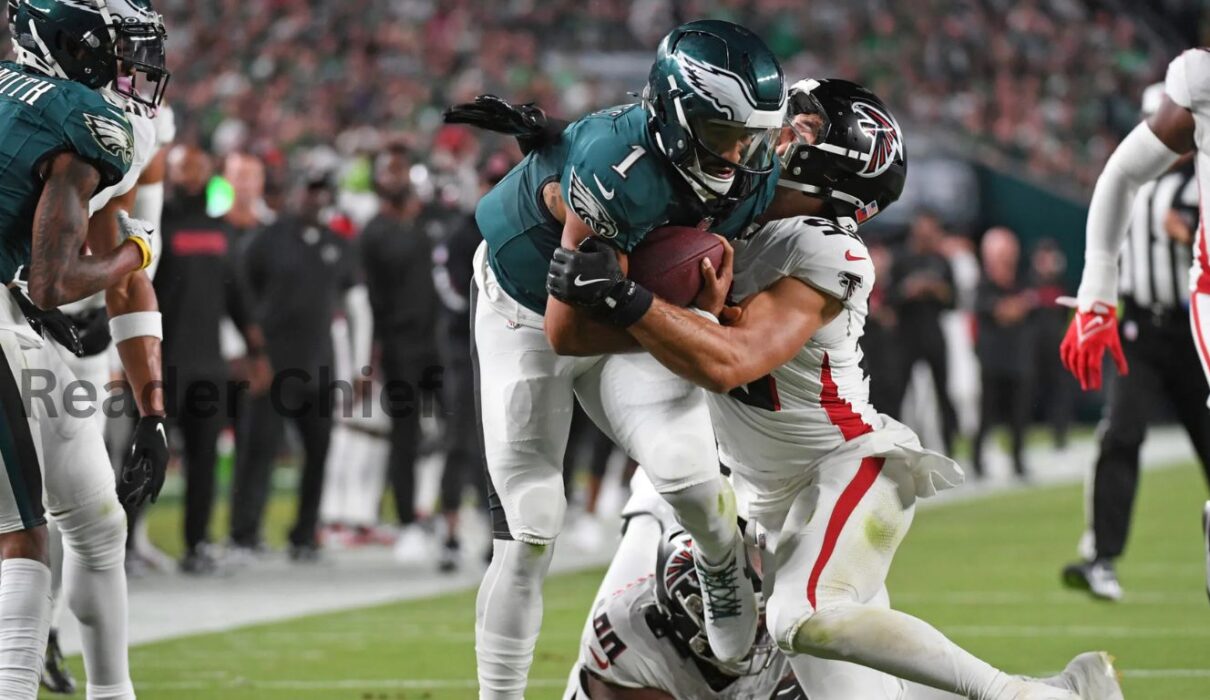
The Eagles’ quarterback played a pivotal role, demonstrating both passing accuracy and mobility. He completed a high percentage of passes, accumulating significant yardage while also contributing on the ground.
Key Stats:
- Passing Yards: 250+
- Touchdowns: 2
- Rushing Yards: 40+
- Completion Rate: ~65%
His ability to escape pressure and extend plays proved critical, especially during third-down situations. These efforts kept drives alive and placed constant pressure on the Buccaneers’ defense.
Tampa Bay Buccaneers Quarterback
On the other side, the Buccaneers’ quarterback showcased his experience with precise throws and smart decision-making. Despite facing a strong Eagles defense, he managed to deliver consistent performances throughout the game.
Key Stats:
- Passing Yards: 270+
- Touchdowns: 2–3
- Interceptions: 1
- Completion Rate: ~67%
While he performed well overall, one costly interception shifted momentum in favor of the Eagles.
Running Back Contributions
Eagles Running Game
The Eagles’ rushing attack was efficient and well-coordinated. Their running back capitalized on gaps in the defensive line, gaining crucial yardage.
Top Rusher Stats:
- Rushing Yards: 80–100
- Carries: 15–18
- Touchdowns: 1
The ground game helped control the tempo and allowed the Eagles to balance their offensive strategy.
Buccaneers Running Game
The Buccaneers struggled to establish a consistent running game. While there were moments of success, they were unable to maintain momentum.
Top Rusher Stats:
- Rushing Yards: 50–70
- Carries: 12–15
- Touchdowns: 0–1
This limitation forced the team to rely heavily on passing plays.
Wide Receivers and Pass Catchers
Eagles Receiving Unit
The Eagles’ receivers delivered an impressive performance, making key catches under pressure and converting critical third downs.
Top Receiver Stats:
- Receiving Yards: 100+
- Receptions: 7–9
- Touchdowns: 1
Another receiver also contributed significantly with 60+ yards, providing depth and flexibility in the offense.
Buccaneers Receiving Unit
The Buccaneers’ wide receivers were equally effective, stretching the field and creating scoring opportunities.
Top Receiver Stats:
- Receiving Yards: 90–110
- Receptions: 6–8
- Touchdowns: 1
Their ability to gain yards after catch kept the Buccaneers competitive throughout the game.
Defensive Standouts
Eagles Defense
The Eagles’ defense played a crucial role in shifting the momentum. Their ability to pressure the quarterback and force turnovers made a significant difference.
Key Defensive Stats:
- Sacks: 3–4
- Interceptions: 1–2
- Tackles for Loss: Multiple
One defensive play, in particular—a timely interception—proved to be a game-changing moment.
Buccaneers Defense
The Buccaneers’ defense also showed resilience, making key stops and limiting big plays.
Key Defensive Stats:
- Sacks: 2–3
- Forced Fumbles: 1
- Pass Breakups: Several
Despite their efforts, they struggled to contain the Eagles’ dual-threat offense.
Special Teams Impact
Special teams often go unnoticed, but in this game, they contributed significantly.
- Field Goals: Both teams converted key kicks
- Punt Returns: Solid field positioning
- Kick Coverage: Limited big returns
One long field goal helped maintain the lead during a crucial stage of the game.
Game-Changing Performances
Several players stood out for their ability to influence the game:
1. Eagles Quarterback
His dual-threat capability kept the defense guessing and created scoring opportunities.
2. Eagles Defensive Leader
A crucial interception shifted momentum and led to a scoring drive.
3. Buccaneers Quarterback
Despite the loss, his passing efficiency kept the game competitive.
4. Top Wide Receiver (Both Teams)
Big catches in critical moments highlighted their importance.
Key Turning Points
Every NFL game has defining moments, and this matchup was no different:
- Turnover Impact: The interception by the Eagles changed the flow of the game
- Third-Down Efficiency: Eagles converted more crucial third downs
- Red Zone Performance: Eagles capitalized better on scoring opportunities
These factors ultimately determined the outcome.
Statistical Comparison
| Category | Eagles | Buccaneers |
|---|---|---|
| Total Yards | 380+ | 360+ |
| Passing Yards | 250+ | 270+ |
| Rushing Yards | 120+ | 80+ |
| Turnovers | 0–1 | 1–2 |
| Time of Possession | Slight Edge | — |
The stats show how evenly matched the teams were, with small differences making a big impact.
Tactical Analysis
The Eagles relied on a balanced offensive approach, combining passing and rushing effectively. Their quarterback’s mobility added another dimension that the Buccaneers struggled to handle.
In contrast, the Buccaneers leaned heavily on their passing game. While effective at times, this predictability allowed the Eagles’ defense to adapt and apply pressure.
What This Means for Both Teams
Philadelphia Eagles
- Strong offensive balance is a key strength
- Defensive playmaking ability can change games
- Momentum continues to build with consistent performances
Tampa Bay Buccaneers
- Passing game remains a major asset
- Need improvement in rushing attack
- Reducing turnovers will be crucial in future games
Conclusion
The matchup between the Philadelphia Eagles and Tampa Bay Buccaneers once again delivered a thrilling contest filled with standout performances and game-changing moments.
From quarterback excellence to defensive heroics, the game highlighted the importance of execution, discipline, and seizing key opportunities. While both teams showcased their strengths, it was the Eagles’ ability to capitalize on critical moments that ultimately made the difference.
As both teams move forward, these performances will serve as valuable lessons and building blocks for future success.
FAQs
1. Who was the best player in the Eagles vs Buccaneers game?
The Eagles’ quarterback stood out due to his dual-threat performance and ability to lead scoring drives.
2. What was the key turning point in the game?
A crucial interception by the Eagles’ defense shifted momentum and led to a scoring opportunity.
3. Which team had better offensive stats?
Both teams were close statistically, but the Eagles had a more balanced attack.
4. How did the Buccaneers perform overall?
They performed well in passing but struggled with consistency in rushing and turnovers.
5. Why are player stats important in NFL analysis?
Player stats help evaluate performance, identify strengths and weaknesses, and understand how games are won or lost.