
 By
By State Wide Area Network: Complete Guide to SWAN Technology
In today’s digital world, seamless communication and data sharing are essential for governments and large organizations. One of the key technologies enabling this connectivity is the State Wide Area Network (SWAN). It plays a crucial role in connecting various government departments across cities, towns, and rural areas within a state.
SWAN technology is designed to provide a reliable, secure, and high-speed network infrastructure that supports e-governance initiatives and digital services. This guide will help you understand what a State Wide Area Network is, how it works, its benefits, components, and real-world applications.
What Is a State Wide Area Network (SWAN)?
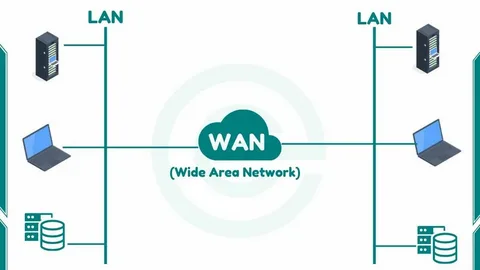
A State Wide Area Network (SWAN) is a dedicated communication network that connects government offices and institutions across a state. It is a type of Wide Area Network (WAN), but specifically designed to serve state-level administrative and governance needs.
The main purpose of SWAN is to ensure efficient data transmission and communication between:
- State headquarters
- District offices
- Block-level offices
- Remote government centers
By linking these units, SWAN enables smooth coordination and faster decision-making.
Key Features of SWAN Technology
SWAN technology comes with several features that make it ideal for large-scale communication systems:
1. High-Speed Connectivity
SWAN networks provide fast data transfer speeds to support various digital services.
2. Secure Communication
Security protocols are implemented to protect sensitive government data.
3. Scalability
The network can be expanded as needed to include more locations and services.
4. Reliability
SWAN ensures minimal downtime with backup systems and redundancy.
5. Centralized Management
The network is monitored and managed from a central location for efficiency.
Architecture of State Wide Area Network
The architecture of SWAN is typically divided into three main layers:
1. Core Layer (State Headquarters)
This is the central hub of the network located at the state capital. It manages data flow and connects to all districts.
2. Distribution Layer (District Level)
District centers act as intermediaries between the core and access layers. They distribute network services to block-level offices.
3. Access Layer (Block Level)
This layer connects local offices and end users to the network.
This hierarchical structure ensures efficient communication and data flow across the entire state.
How SWAN Technology Works
SWAN operates by integrating various networking technologies such as fiber optics, leased lines, and wireless connections. Here’s a simplified explanation of how it works:
- Data is generated at a local office (block level).
- It is transmitted to the district center.
- The district center forwards the data to the state headquarters.
- The information is processed and shared with other connected offices.
This structured flow ensures that information moves quickly and securely across all levels.
Components of a State Wide Area Network
A SWAN system consists of several essential components:
1. Network Infrastructure
Includes cables, routers, switches, and transmission equipment.
2. Data Centers
Centralized locations where data is stored and processed.
3. Network Operation Center (NOC)
Responsible for monitoring and managing the network.
4. Security Systems
Firewalls, encryption, and authentication systems to protect data.
5. End-User Devices
Computers, servers, and mobile devices used by government staff.
Benefits of State Wide Area Network
SWAN technology offers numerous advantages, especially for government operations.
1. Improved Communication
It enables seamless communication between different government departments.
2. Faster Decision-Making
Real-time data sharing helps authorities make quick and informed decisions.
3. Support for E-Governance
SWAN is the backbone of digital government services such as online applications and records.
4. Cost Efficiency
By using a centralized network, operational costs are reduced.
5. Better Service Delivery
Citizens benefit from faster and more efficient public services.
Applications of SWAN Technology
SWAN is widely used in various sectors, especially in public administration.
1. E-Governance Services
Online portals for licenses, certificates, and public services rely on SWAN.
2. Education Sector
Schools and universities use SWAN for digital learning and administration.
3. Healthcare Systems
Hospitals use the network to share patient data and medical records.
4. Law Enforcement
Police departments use SWAN for communication and data sharing.
5. Rural Development
SWAN helps extend digital services to remote and rural areas.
SWAN vs Traditional WAN
Although SWAN is a type of WAN, there are key differences:
| Feature | Traditional WAN | SWAN |
|---|---|---|
| Purpose | General networking | Government-specific |
| Coverage | Wide (global/national) | State-level |
| Users | Businesses, organizations | Government departments |
| Security | Standard | High-level security |
| Management | Decentralized | Centralized |
This comparison highlights why SWAN is better suited for government operations.
Challenges of SWAN Technology
Despite its benefits, SWAN also faces certain challenges:
1. High Initial Cost
Setting up infrastructure requires significant investment.
2. Maintenance Issues
Regular maintenance is needed to ensure smooth operation.
3. Security Risks
Cyber threats can pose risks if security measures are not updated.
4. Connectivity in Remote Areas
Providing stable connectivity in rural regions can be difficult.
Best Practices for Implementing SWAN
To ensure the success of a SWAN system, organizations should follow these best practices:
✔ Strong Security Measures
Use advanced encryption and firewalls to protect data.
✔ Regular Monitoring
Continuously monitor network performance through NOC.
✔ Scalable Design
Plan the network so it can grow with future needs.
✔ Training and Support
Train staff to effectively use and manage the system.
✔ Backup Systems
Implement redundancy to prevent data loss and downtime.
Role of SWAN in Digital Transformation
SWAN plays a vital role in digital transformation by enabling governments to adopt modern technologies. It supports initiatives like:
- Smart governance
- Digital record management
- Online citizen services
- Cloud-based applications
By providing a strong network backbone, SWAN helps governments become more efficient and transparent.
Future of State Wide Area Network
The future of SWAN technology looks promising with advancements in networking and digital infrastructure.
Emerging Trends:
- Integration with cloud computing
- Use of artificial intelligence for network management
- Expansion of fiber-optic connectivity
- Enhanced cybersecurity measures
- Support for smart city projects
As technology evolves, SWAN will continue to play a critical role in improving governance and connectivity.
Conclusion
The State Wide Area Network (SWAN) is a powerful technology that enables seamless communication and efficient governance across a state. By connecting various government offices through a secure and reliable network, SWAN supports e-governance initiatives and improves public service delivery.
From its structured architecture to its wide range of applications, SWAN has become an essential part of modern digital infrastructure. While there are challenges in implementation, the benefits far outweigh the limitations.
As governments continue to embrace digital transformation, SWAN technology will remain a key driver of connectivity, efficiency, and innovation.
FAQs
1. What is a State Wide Area Network?
A SWAN is a network that connects government offices across a state for communication and data sharing.
2. What is the main purpose of SWAN?
Its main purpose is to support e-governance and improve communication between government departments.
3. How is SWAN different from WAN?
SWAN is specifically designed for state-level government use, while WAN is used more broadly.
4. What are the key components of SWAN?
Key components include network infrastructure, data centers, NOC, and security systems.
5. What are the benefits of SWAN?
It improves communication, reduces costs, supports digital services, and enhances decision-making.